If you keep turning the thermostat down but the temperature in your house refuses to follow, your air conditioner may not be the real problem. Your attic may be fighting it.
VSL placeholder — we’ll drop the finished video here without changing the rest of the page.
We’ll check whether your attic is helping your AC—or making it work harder.
If the attic above it isn’t working properly, your AC can run and run without ever getting the house where you want it.
You set it lower, but by late afternoon the house is still uncomfortable.
The AC is working for hours at a time, and you’re paying for every one of them.
Maybe he even mentioned that the attic looks under-insulated. That’s where our inspection starts.
Think of an engine: fuel, air and spark all have to work together. A traditional vented attic is similar. It needs the right amount of three things—and adding more of one doesn’t fix a missing one.
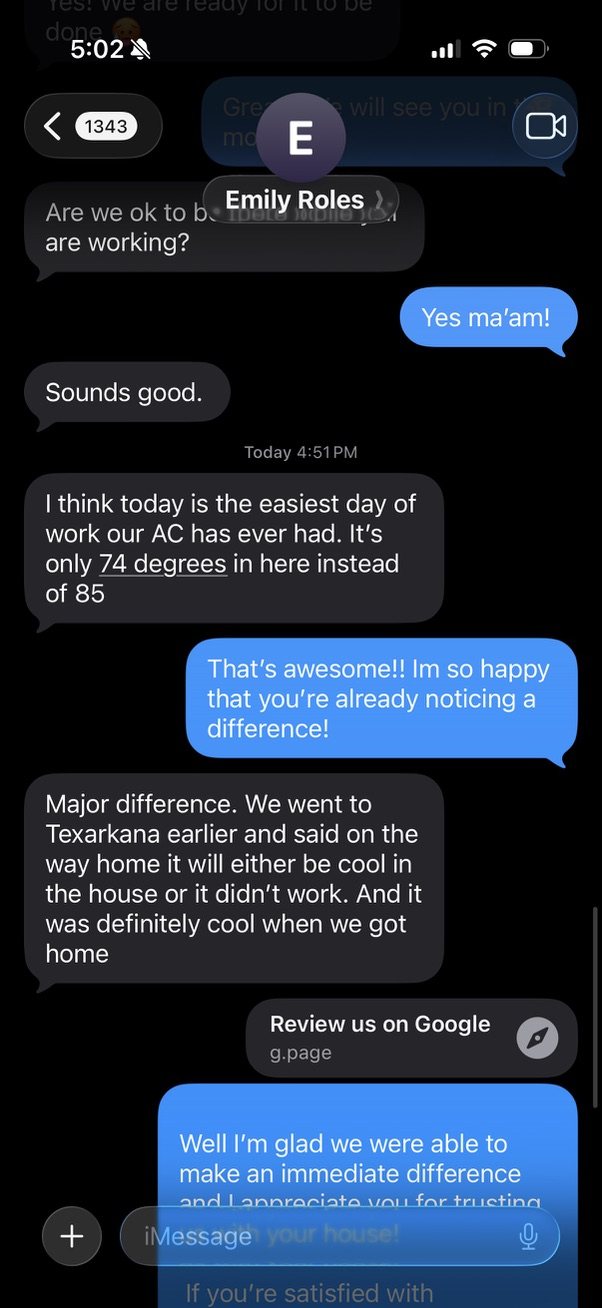
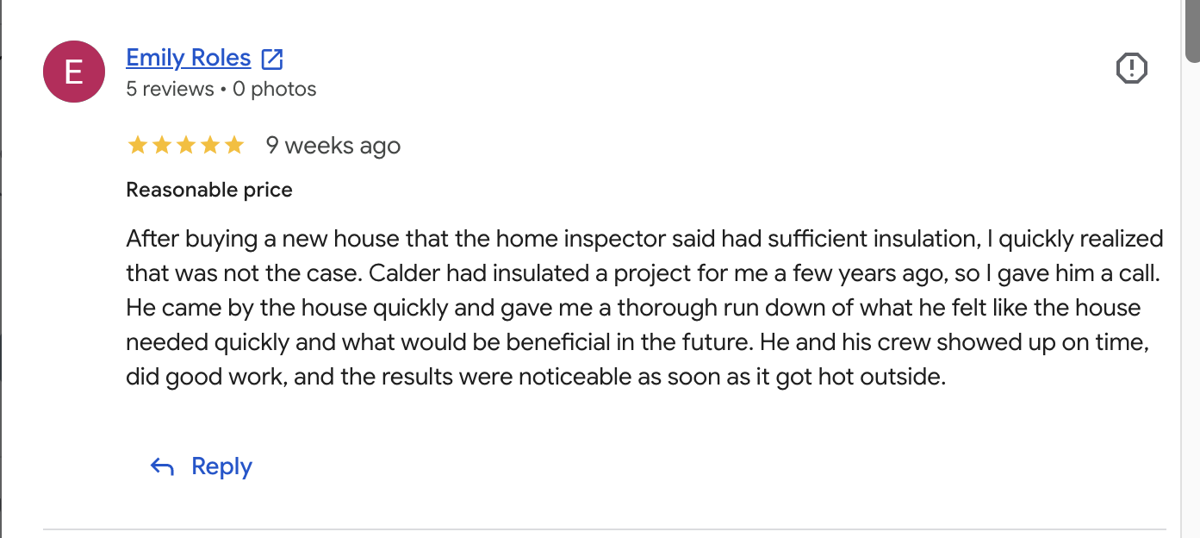
That message came from Emily on the day we worked on her attic. We found roughly 3–4 inches of fiberglass and inadequate soffit intake. Her existing ridge vent was already adequate, so we didn’t sell her exhaust ventilation she didn’t need.
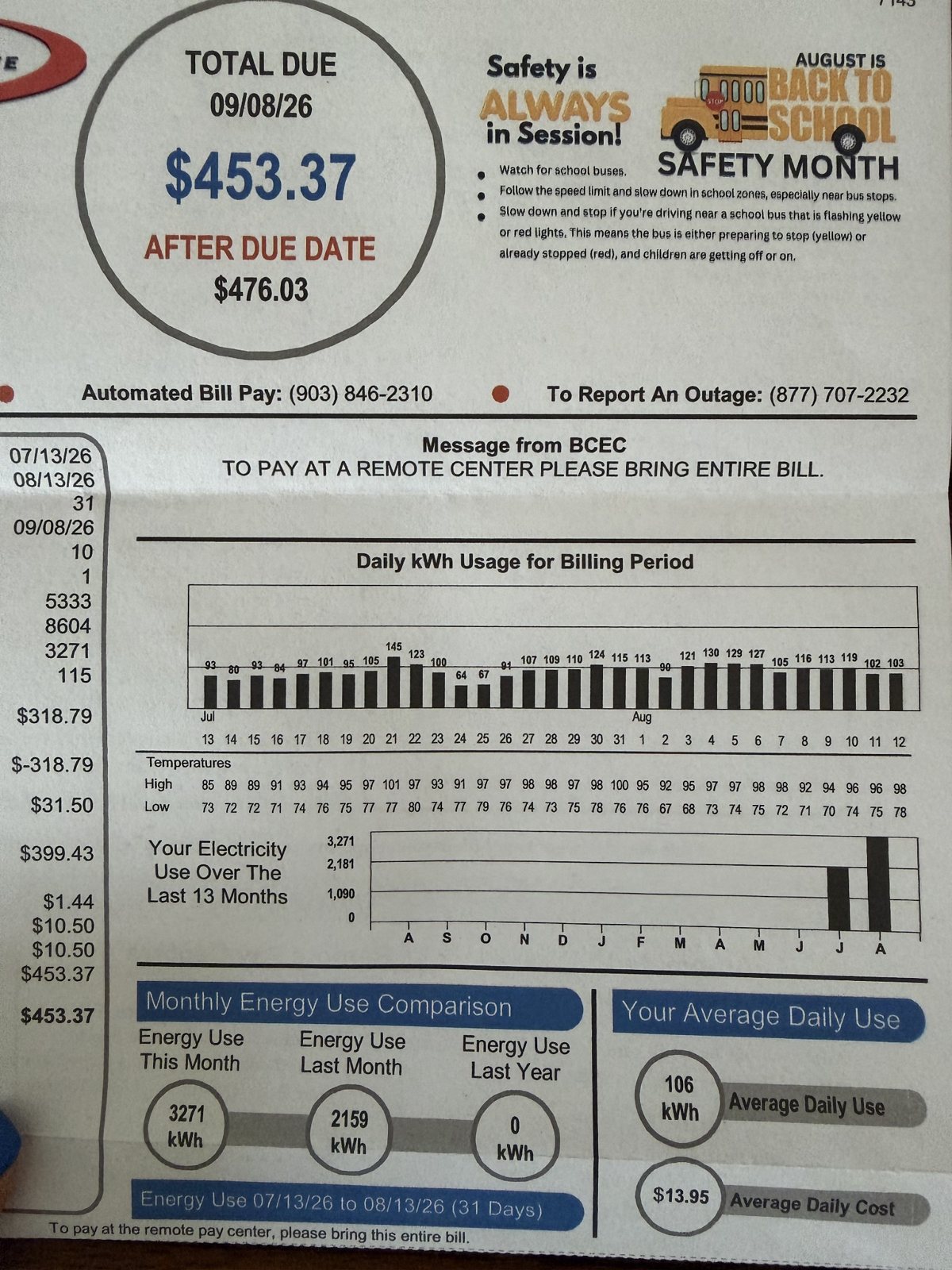
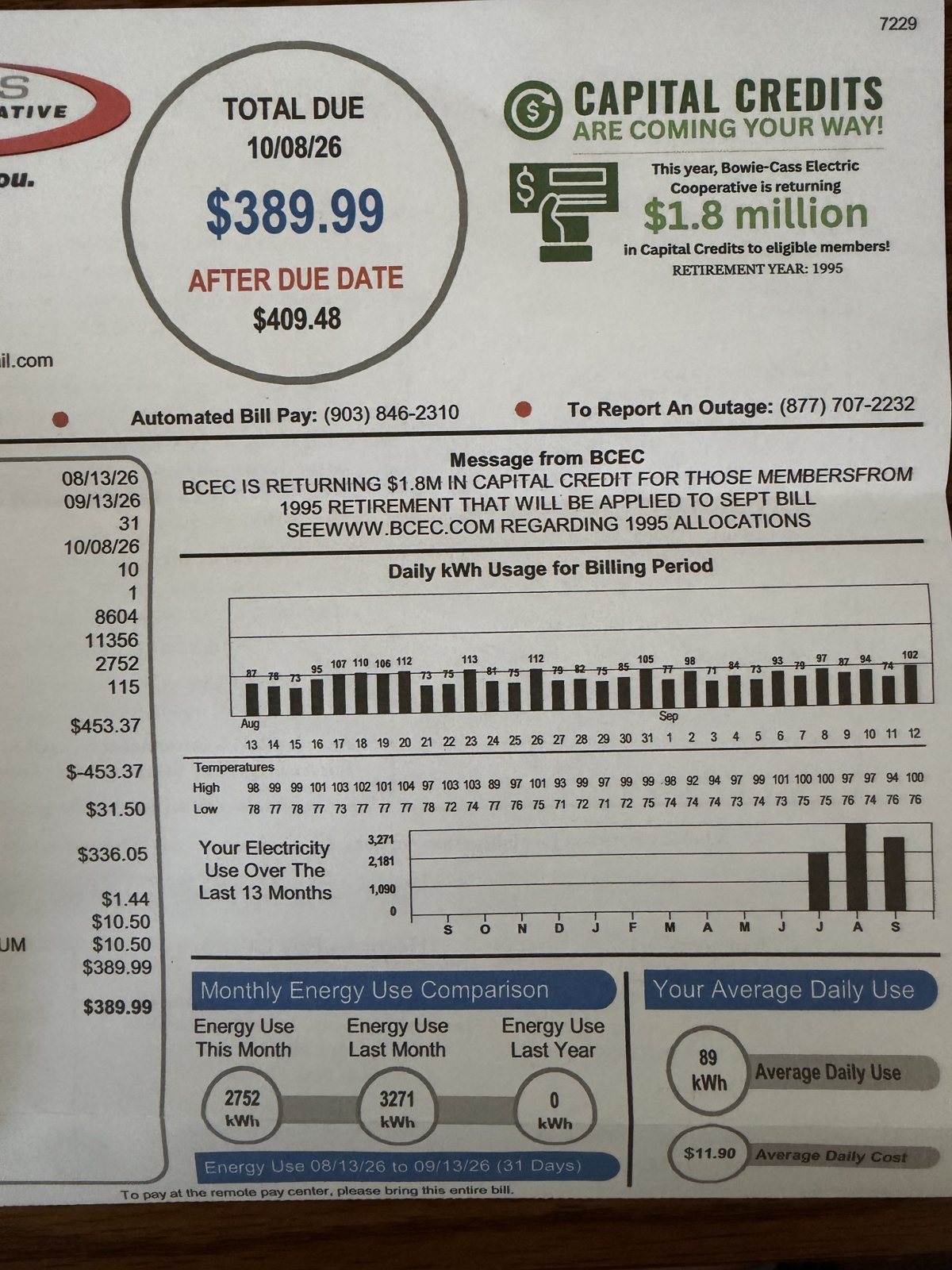
*The earlier billing period overlapped the Aug. 4 installation, so this is not a controlled before/after test. Electricity use changed from 3,271 kWh to 2,752 kWh on the bills provided. Weather, thermostat settings, occupancy and other factors can also affect usage.
We check insulation depth, soffit intake, roof-deck exhaust ventilation and the attic conditions that can affect performance.
If we see water damage, unsafe electrical conditions, pests, duct issues or another concern, we can document it with photos or video so you can see it too.
When appropriate, we can show a lower-cost, middle and premium path rather than forcing every homeowner into the same product.
We’ll tell you. If the attic is properly insulated and ventilated, there may not be a meaningful attic improvement for us to sell you. At that point, it may be time to look back at the HVAC system or another cause.
The right recommendation depends on what is already in your attic, how long you plan to stay in the home, and your budget.
Often the most cost-effective way to restore a traditional vented attic when insulation and airflow are both lacking.
An additional performance option for qualifying attics where existing conditions make it appropriate.
A sealed-attic approach that can be especially attractive for longer-term homeowners and homes with HVAC ducts in the attic.
We’ve insulated homes, schools, churches, offices and large commercial buildings since 2018. But the reason to call us isn’t because we can install fiberglass or spray foam. It’s because we look at how the attic is functioning before deciding what belongs in it.
Experience includes: Pleasant Grove Middle School gym remodel, First Methodist Church of Texarkana, First Baptist Church of DeKalb, Saddlebrook corporate office, PalletOne warehouse work, historic buildings in Paris, Texas, and residential projects across the region.
The inspection is free, usually takes about 15–20 minutes, and gives you a clearer answer about what’s happening above your ceiling.
SCHEDULE MY FREE ATTIC INSPECTION →